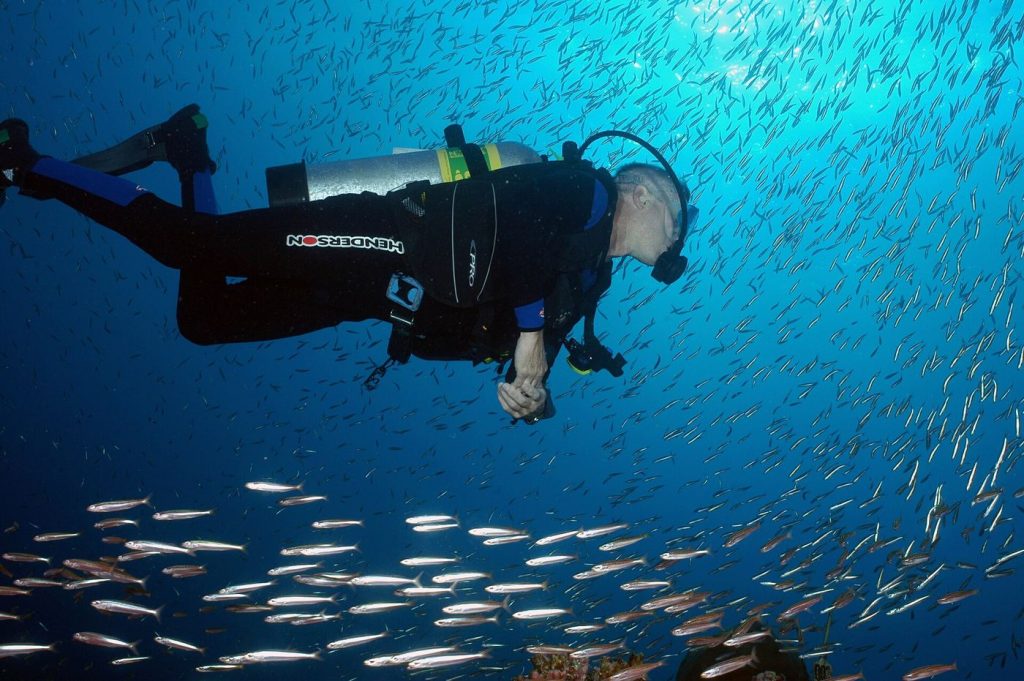
Restoration divers working in sheltered bays are taking a hands-on approach to rebuilding kelp forests, planting young kelp grown in nurseries onto seeded lines stretched across the seabed. The method starts on land, where kelp spores are settled onto twine in tanks and raised until tiny blades appear. Divers then unroll the lines underwater and fix them to the rocky bottom, giving the young plants light, space and a firm anchor. Supporters say planting can jump-start forests in places where natural spores are now scarce, rather than waiting for drifting fragments to arrive by chance. Early planted sites are being watched closely through the growing season. Organisers say community volunteers increasingly help in the nurseries, learning the whole process from spore to seabed before joining supervised planting days.
What the Evidence Shows
The planting work is deliberately small and careful, because survival depends on local conditions more than on the number of lines installed. Teams choose sites with clean water, stable rock and limited grazing, and they return regularly to clear competing algae and check that lines have not tangled or torn in storms. Where young kelp takes hold, the blades lengthen quickly and begin to shelter crabs, snails and juvenile fish. Researchers involved stress that planting is not a substitute for tackling warming water and pollution, the pressures that thinned the forests in the first place. Used alongside those wider efforts, however, seeded lines offer a practical way to help forests re-establish. Divers expect the first planted sites to teach the hardest lessons, refining depth, spacing and season so later, larger plantings waste less effort and material. Reporting and analysis from sources such as NASA track the same developments, and specialists following kelp planting on seeded lines say the direction is now consistent across independent lines of evidence.
The Wider Context
Funding bodies are watching kelp planting on seeded lines closely because the work sits at the junction of basic curiosity and practical return. Grant panels increasingly ask for a path from discovery to application, while researchers push back that the most valuable uses of fundamental science are rarely the ones written into the original proposal. The tension is productive when both sides stay honest about timescales.
What Happens Next
The long view on kelp planting on seeded lines is that fields advance by accumulation rather than by single announcements. This result adds a solid, checkable piece to a structure many teams are building, and its authors have shared their data so the piece can be tested from every side. That is how the picture eventually becomes reliable enough to act on. You can follow related developments in our coverage of science.
It is also worth remembering how quickly the picture in this area has changed before. Positions that looked settled a few years ago have been revised as new data arrived, and the same humility is appropriate now. The strongest coverage of this subject, and the most useful advice, tends to come from sources that update their views openly when the facts move, rather than defending an earlier position long after it has stopped fitting the evidence available.