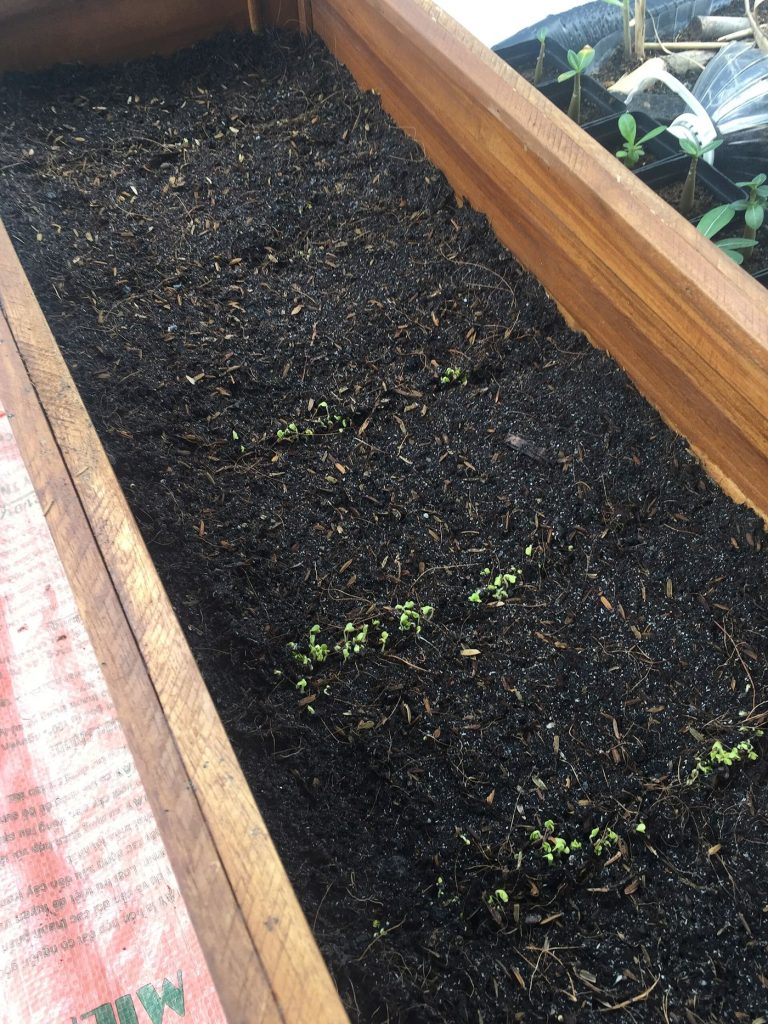
Gardening is growing into gentle exercise for body and mind, as health experts point out that digging, planting and weeding work the body in ways that feel nothing like a workout. An hour in the garden can burn as many calories as a brisk walk, using the arms, legs, back and core in a constant variety of movements, from lifting a watering can to kneeling to plant seedlings. The exercise is gentle and varied, which suits people who find gyms boring or high-impact exercise painful, and the work can be paced to suit any fitness level. The mental benefits are just as real: time outdoors in daylight, contact with nature and the quiet focus of tending plants all help lower stress and lift mood. Researchers have found that regular gardeners report better wellbeing and sleep, and many say the garden gives them a reason to get outside every day. For older adults especially, gardening offers strength, balance and flexibility practice without ever feeling like exercise, along with the satisfaction of watching something grow.
What the Evidence Shows
Experts advise starting gently, with short sessions and a mix of tasks, so the body is not strained by hours of digging on the first day. Good tools help: a kneeling pad, long-handled tools and a sturdy stool reduce bending and protect the knees and back. It is also worth warming up with a few stretches, taking breaks and drinking water, just as with any exercise. Raised beds and containers bring the garden within easy reach for people who find bending difficult. Anyone with a health condition should check with a clinician before heavy work, and gloves protect the hands from cuts and soil. For gardeners, the advice is simple: treat the garden as a gym with fresh air, work a little and often, and enjoy both the harvest and the health that comes with it. Reporting and analysis from sources such as National Institutes of Health track the same developments, and specialists following gardening as gentle exercise say the direction is now consistent across independent lines of evidence.
The Wider Context
The wider context is a health system trying to move from treating illness late to preventing it early, against budgets that reward the opposite. Evidence around gardening as gentle exercise is being weighed by guideline committees that ask two questions in order: does it work, and can ordinary services actually deliver it at scale. Many good ideas pass the first test and stall on the second.
What Happens Next
What happens next for gardening as gentle exercise depends on the slow machinery of guidelines, funding and training catching up with the evidence. Patients asking about it today should expect honest answers that include uncertainty, and clinicians say a service that explains what is not yet known earns more trust than one that oversells. The research pipeline, at least, is moving in the right direction. You can follow related developments in our coverage of health.
None of this will be settled by a single announcement, study or product launch. The pattern to watch is accumulation: independent confirmations, honest reporting of failures and steady improvement in the underlying numbers. Readers who follow those signals, rather than the loudest claim of the week, will understand this subject better than most of the commentary surrounding it suggests is possible.