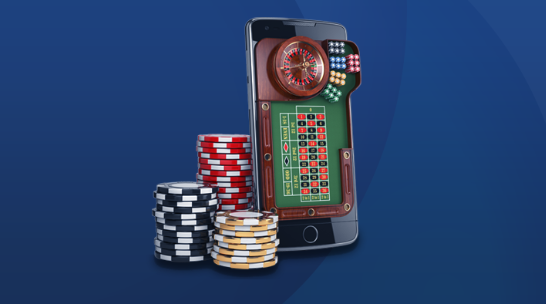
Not long ago, mobile casino gaming felt limited. People used apps because they were convenient, not because they offered a genuinely good experience. Games froze. Interfaces looked messy. Live streams lagged at the worst possible moments. Most players still preferred laptops whenever they had the choice.
That gap has almost disappeared.
Now the industry is being shaped by mobile users first, and honestly, it’s visible everywhere. Casino platforms have become faster, cleaner, and much more aggressive about keeping attention. A person can install an app, verify an account, make a deposit, and start playing in less time than it takes to order coffee through a delivery app.
That speed matters more than many operators expected.
Services connected with platforms like tamasha casino apk continue gaining traffic largely because mobile users no longer tolerate friction. They don’t want complicated signups. They don’t want endless redirects. And they definitely don’t want apps that feel outdated the second they open them.
The competition became brutal because players can switch platforms instantly. One bad experience is often enough.
Mobile Gambling No Longer Feels Secondary
One of the biggest shifts in recent years is psychological. People don’t see mobile casino gaming as a “lighter” version of online gambling anymore.
For a growing number of users, the phone is the main platform.
That changes how casino companies think about design. Desktop-first development used to dominate the industry. Today, many operators build around smartphones from the beginning and only later adapt systems for larger screens.
It sounds like a technical detail, but the difference is obvious when using modern apps.
Buttons are larger. Menus require fewer taps. Payments happen quicker. Navigation feels smoother because developers understand how people actually use phones in everyday life.
Most sessions happen casually now. A few spins while watching television. A blackjack table during a train ride. Sports bets placed five minutes before kickoff.
Mobile gambling became part of the same digital routine as social media or streaming apps.
Fast Entertainment Is Driving Growth
The rise of short-session gambling says a lot about modern internet habits in general.
Many players no longer want long setups or complicated mechanics. They want quick entertainment that fits naturally into small gaps during the day. Casino developers reacted by pushing games that deliver immediate action with minimal effort.
Crash games are the clearest example.
The format is simple enough that even inexperienced users understand it within seconds. Place a bet, watch the multiplier rise, decide when to exit. The tension comes from speed rather than complexity.
That style works perfectly on mobile devices because it matches how people already consume online content. Quick videos. Fast scrolling. Constant movement between apps.
Several gaming trends continue reflecting this shift:
- Faster game rounds
- Instant loading systems
- One-tap betting options
- Simplified interfaces
- Vertical-oriented game layouts
The industry learned an important lesson over the last decade. Attention became one of the most valuable things online, and keeping it is harder than ever.
Live Dealer Games Keep Pulling New Audiences
Live casinos were once treated almost like a premium feature inside online gambling platforms. Today they’re central to the business model for many operators.
Part of that growth comes from technology finally catching up with expectations. Better smartphone displays and stronger internet connections improved the overall experience dramatically.
But there’s another reason live games work so well on mobile.
They feel human.
Traditional slot games can become repetitive after a while, especially for younger audiences raised on interactive digital platforms. Live dealers create movement, unpredictability, and conversation. Even small interactions between hosts and players make sessions feel less mechanical.
Some live studios now look closer to television productions than casino products. Multiple cameras, professional lighting, energetic presenters. The presentation became part of the entertainment itself.
A few noticeable developments continue shaping this segment:
Mobile-Optimized Camera Angles
Studios increasingly frame games specifically for smartphone screens rather than desktop viewing.
Faster Table Access
Players can jump between live rooms quickly without waiting through long loading sequences.
Entertainment-Focused Hosts
Many dealers are encouraged to interact naturally instead of acting like robotic game managers.
That last point matters more than people think. Online audiences respond to personality.
Payment Speed Became Part of the Experience
Casino operators used to compete heavily through bonuses alone. Bigger offers, larger free spins, more aggressive promotions.
That still matters, of course, but mobile users now care just as much about convenience. Sometimes more.
Withdrawal speed became a major trust signal. If payments feel delayed or unreliable, players start looking elsewhere almost immediately. Mobile apps exist inside an ecosystem where everything else happens fast, from banking to shopping to food delivery.
Casino platforms are judged by those standards whether they like it or not.
Because of that, more operators continue integrating:
- E-wallets
- Cryptocurrency payments
- Instant banking systems
- Faster account verification
- Biometric authentication
Interestingly, some casino apps now resemble financial technology platforms in the way they handle transactions and security.
Casino Apps Borrowed Ideas From Social Media and Gaming
The overlap between mobile casinos, video games, and social platforms keeps growing stronger.
A lot of apps now include systems designed less around gambling itself and more around engagement. Daily rewards, missions, achievement badges, progression systems. These mechanics weren’t common in casinos years ago.
Now they’re everywhere.
There’s a reason for that. Modern users respond strongly to routines and small rewards tied to activity. Mobile gaming companies figured this out long ago. Casino operators simply adapted the same psychology.
Some apps now encourage players to complete weekly tasks or participate in seasonal events almost like traditional mobile games. Others use rankings and competitions to increase activity.
It’s not subtle anymore.
And honestly, most users probably don’t mind because these systems make apps feel more dynamic.
Personalization Became Extremely Sophisticated
One thing happening quietly behind the scenes is the rapid improvement of recommendation systems.
Casino apps track behavior constantly. What games users open first. How long sessions last. Which promotions get ignored. Which betting styles appear most often.
That data shapes what players see after logging in.
A sports bettor might immediately receive football promotions. Another player sees slot tournaments instead. Someone who usually plays late at night gets offers timed around those habits.
The process resembles streaming platforms more than traditional gambling websites.
Of course, there’s a balance involved. Personalization helps users navigate massive game libraries, but overly aggressive targeting can start feeling uncomfortable. The better platforms understand that subtlety matters.
Security Concerns Keep Growing
As mobile casino gaming expands, security naturally becomes more important too.
People store payment details, identification documents, and banking information inside these apps. A single serious breach can destroy a company’s reputation overnight.
Because of that, operators are investing heavily in protection systems that most users never directly notice.
The biggest improvements include:
Biometric Login Features
Fingerprint and face recognition tools became standard across many platforms because they combine convenience with stronger security.
AI Fraud Detection
Artificial intelligence now monitors suspicious behavior continuously in the background.
Responsible Gambling Tools
More apps place deposit limits, time reminders, and self-exclusion features directly inside account menus instead of hiding them.
Regulators are paying closer attention to mobile gambling partly because smartphones make access constant. The industry knows it can’t ignore those concerns anymore.
Mobile Hardware Changed the Industry Faster Than Expected
A lot of the current growth wouldn’t be possible without major improvements in smartphone technology itself.
Modern devices handle graphics, streaming, and real-time interaction far better than older phones ever could. Combined with faster internet speeds, mobile casino gaming feels smoother than many desktop experiences from only a few years ago.
This especially affects live casino products where stable streaming matters enormously.
Players have become far less tolerant of lag or crashes because their devices are no longer the weak point. Expectations rose alongside technology.
The Industry Still Has Room to Grow
Despite how crowded the market already looks, mobile casino gaming is still expanding aggressively.
New payment systems continue appearing. Live gaming keeps evolving. Artificial intelligence plays a larger role behind the scenes every year. Some companies are even experimenting with augmented reality features and more immersive interfaces.
At the same time, users became harder to impress.
That pressure forces operators to improve constantly rather than relying only on advertising or oversized welcome bonuses. Smooth performance, fast payments, smart design, and reliability now shape long-term success much more than flashy marketing campaigns.
The platforms that continue growing over the next few years probably won’t be the loudest ones.
They’ll be the apps that understand modern mobile behavior better than everyone else.
Mobile Casino Gaming Trends That Continue to Expand
Not long ago, mobile casino gaming felt limited. People used apps because they were convenient, not because they offered a genuinely good experience. Games froze. Interfaces looked messy. Live streams lagged at the worst possible moments. Most players still preferred laptops whenever they had the choice.
That gap has almost disappeared.
Now the industry is being shaped by mobile users first, and honestly, it’s visible everywhere. Casino platforms have become faster, cleaner, and much more aggressive about keeping attention. A person can install an app, verify an account, make a deposit, and start playing in less time than it takes to order coffee through a delivery app.
That speed matters more than many operators expected.
Services connected with platforms like tamasha casino apk continue gaining traffic largely because mobile users no longer tolerate friction. They don’t want complicated signups. They don’t want endless redirects. And they definitely don’t want apps that feel outdated the second they open them.
The competition became brutal because players can switch platforms instantly. One bad experience is often enough.
Mobile Gambling No Longer Feels Secondary
One of the biggest shifts in recent years is psychological. People don’t see mobile casino gaming as a “lighter” version of online gambling anymore.
For a growing number of users, the phone is the main platform.
That changes how casino companies think about design. Desktop-first development used to dominate the industry. Today, many operators build around smartphones from the beginning and only later adapt systems for larger screens.
It sounds like a technical detail, but the difference is obvious when using modern apps.
Buttons are larger. Menus require fewer taps. Payments happen quicker. Navigation feels smoother because developers understand how people actually use phones in everyday life.
Most sessions happen casually now. A few spins while watching television. A blackjack table during a train ride. Sports bets placed five minutes before kickoff.
Mobile gambling became part of the same digital routine as social media or streaming apps.
Fast Entertainment Is Driving Growth
The rise of short-session gambling says a lot about modern internet habits in general.
Many players no longer want long setups or complicated mechanics. They want quick entertainment that fits naturally into small gaps during the day. Casino developers reacted by pushing games that deliver immediate action with minimal effort.
Crash games are the clearest example.
The format is simple enough that even inexperienced users understand it within seconds. Place a bet, watch the multiplier rise, decide when to exit. The tension comes from speed rather than complexity.
That style works perfectly on mobile devices because it matches how people already consume online content. Quick videos. Fast scrolling. Constant movement between apps.
Several gaming trends continue reflecting this shift:
- Faster game rounds
- Instant loading systems
- One-tap betting options
- Simplified interfaces
- Vertical-oriented game layouts
The industry learned an important lesson over the last decade. Attention became one of the most valuable things online, and keeping it is harder than ever.
Live Dealer Games Keep Pulling New Audiences
Live casinos were once treated almost like a premium feature inside online gambling platforms. Today they’re central to the business model for many operators.
Part of that growth comes from technology finally catching up with expectations. Better smartphone displays and stronger internet connections improved the overall experience dramatically.
But there’s another reason live games work so well on mobile.
They feel human.
Traditional slot games can become repetitive after a while, especially for younger audiences raised on interactive digital platforms. Live dealers create movement, unpredictability, and conversation. Even small interactions between hosts and players make sessions feel less mechanical.
Some live studios now look closer to television productions than casino products. Multiple cameras, professional lighting, energetic presenters. The presentation became part of the entertainment itself.
A few noticeable developments continue shaping this segment:
Mobile-Optimized Camera Angles
Studios increasingly frame games specifically for smartphone screens rather than desktop viewing.
Faster Table Access
Players can jump between live rooms quickly without waiting through long loading sequences.
Entertainment-Focused Hosts
Many dealers are encouraged to interact naturally instead of acting like robotic game managers.
That last point matters more than people think. Online audiences respond to personality.
Payment Speed Became Part of the Experience
Casino operators used to compete heavily through bonuses alone. Bigger offers, larger free spins, more aggressive promotions.
That still matters, of course, but mobile users now care just as much about convenience. Sometimes more.
Withdrawal speed became a major trust signal. If payments feel delayed or unreliable, players start looking elsewhere almost immediately. Mobile apps exist inside an ecosystem where everything else happens fast, from banking to shopping to food delivery.
Casino platforms are judged by those standards whether they like it or not.
Because of that, more operators continue integrating:
- E-wallets
- Cryptocurrency payments
- Instant banking systems
- Faster account verification
- Biometric authentication
Interestingly, some casino apps now resemble financial technology platforms in the way they handle transactions and security.
Casino Apps Borrowed Ideas From Social Media and Gaming
The overlap between mobile casinos, video games, and social platforms keeps growing stronger.
A lot of apps now include systems designed less around gambling itself and more around engagement. Daily rewards, missions, achievement badges, progression systems. These mechanics weren’t common in casinos years ago.
Now they’re everywhere.
There’s a reason for that. Modern users respond strongly to routines and small rewards tied to activity. Mobile gaming companies figured this out long ago. Casino operators simply adapted the same psychology.
Some apps now encourage players to complete weekly tasks or participate in seasonal events almost like traditional mobile games. Others use rankings and competitions to increase activity.
It’s not subtle anymore.
And honestly, most users probably don’t mind because these systems make apps feel more dynamic.
Personalization Became Extremely Sophisticated
One thing happening quietly behind the scenes is the rapid improvement of recommendation systems.
Casino apps track behavior constantly. What games users open first. How long sessions last. Which promotions get ignored. Which betting styles appear most often.
That data shapes what players see after logging in.
A sports bettor might immediately receive football promotions. Another player sees slot tournaments instead. Someone who usually plays late at night gets offers timed around those habits.
The process resembles streaming platforms more than traditional gambling websites.
Of course, there’s a balance involved. Personalization helps users navigate massive game libraries, but overly aggressive targeting can start feeling uncomfortable. The better platforms understand that subtlety matters.
Security Concerns Keep Growing
As mobile casino gaming expands, security naturally becomes more important too.
People store payment details, identification documents, and banking information inside these apps. A single serious breach can destroy a company’s reputation overnight.
Because of that, operators are investing heavily in protection systems that most users never directly notice.
The biggest improvements include:
Biometric Login Features
Fingerprint and face recognition tools became standard across many platforms because they combine convenience with stronger security.
AI Fraud Detection
Artificial intelligence now monitors suspicious behavior continuously in the background.
Responsible Gambling Tools
More apps place deposit limits, time reminders, and self-exclusion features directly inside account menus instead of hiding them.
Regulators are paying closer attention to mobile gambling partly because smartphones make access constant. The industry knows it can’t ignore those concerns anymore.
Mobile Hardware Changed the Industry Faster Than Expected
A lot of the current growth wouldn’t be possible without major improvements in smartphone technology itself.
Modern devices handle graphics, streaming, and real-time interaction far better than older phones ever could. Combined with faster internet speeds, mobile casino gaming feels smoother than many desktop experiences from only a few years ago.
This especially affects live casino products where stable streaming matters enormously.
Players have become far less tolerant of lag or crashes because their devices are no longer the weak point. Expectations rose alongside technology.
The Industry Still Has Room to Grow
Despite how crowded the market already looks, mobile casino gaming is still expanding aggressively.
New payment systems continue appearing. Live gaming keeps evolving. Artificial intelligence plays a larger role behind the scenes every year. Some companies are even experimenting with augmented reality features and more immersive interfaces.
At the same time, users became harder to impress.
That pressure forces operators to improve constantly rather than relying only on advertising or oversized welcome bonuses. Smooth performance, fast payments, smart design, and reliability now shape long-term success much more than flashy marketing campaigns.
The platforms that continue growing over the next few years probably won’t be the loudest ones.
They’ll be the apps that understand modern mobile behavior better than everyone else.