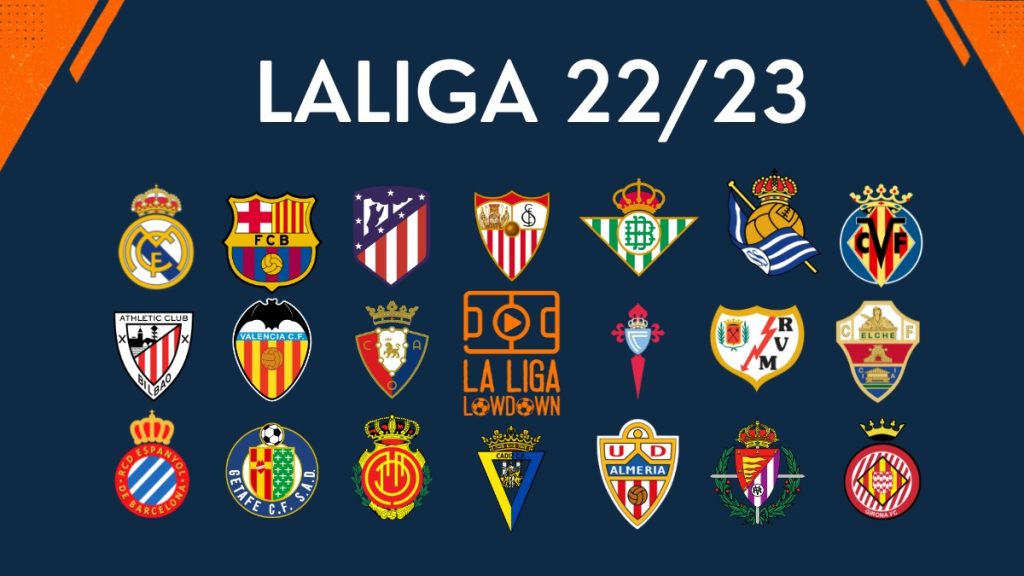
Following La Liga 2022–2023 through a betting website turned a structured 38‑matchday league into a weekly routine of checking tables, fixtures, and odds, then living with whatever variance followed. Over the season, the way information was presented online—tables, form, markets, and bet slips—shaped not only what I bet on, but also how I handled momentum, fatigue, and the difference between a good idea and a good result.
How the Season Structure Dictated Betting Rhythm
The league ran from mid‑August 2022 to early June 2023 with a World Cup break from mid‑November to late December, and that calendar framed my entire betting schedule. Most decisions clustered around weekend rounds, with occasional midweek fixtures that felt harder to prepare for because work and life compressed the pre‑match window. When the World Cup hiatus arrived, it created an involuntary reset: I was forced to step away from La Liga markets entirely, which made the contrast clear between betting as a constant background activity and treating the league as something with natural pauses.
Navigating Online Data: From League Tables to Match Pages
Using a betting website each week meant constantly moving between high‑level tables and specific match views, and that journey quietly shaped my judgement. League tables and stats hubs—showing Barcelona leading with 28 wins, 4 draws, and 6 losses, Real Madrid and Atlético Madrid following, and a tight relegation zone—gave me an initial sense of which teams “deserved” short odds. Form pages and basic stats (recent results, goals for and against) on external sites like SoccerSTATS and BetExplorer became my quick filters before I even opened the bet slip, highlighting whether a favourite’s recent run matched its season-long strength or if I was about to back a big name in a flat spell. Over time, the habit of glancing at those pages before logging in became one of the few things that consistently improved my decisions.
How the Interface Encouraged Certain Types of La Liga Bets
The website’s layout nudged me toward particular markets: full‑time results and accumulators were always foregrounded, while alternative bets like unders, Asian lines, or draw‑no‑bet needed extra clicks. With La Liga 2022–2023, that meant I naturally gravitated to three main patterns: short‑priced home favourites (especially Barcelona and Real Madrid), multi‑leg slips covering several televised games, and occasional live wagers when the in‑play section highlighted “trending” matches. The cause–effect chain was clear in hindsight: design choices about which La Liga markets were one tap away translated into my default behaviour, even when my pre‑match notes suggested that a lower‑variance market would have matched the actual risk profile of the game better.
Moments When Data and Reality Pulled in Different Directions
Across the season there were frequent points where objective data and my reactions clashed. Barcelona’s league table numbers—88 points and a 70:20 goal ratio—suggested a highly controlled, defence‑led champion, yet old memories of more chaotic Barça sides made me more comfortable backing overs or large handicaps than the statistics justified. Conversely, Girona’s 58 goals and mid‑table finish indicated a lively, open team, but the promoted‑club label kept me cautious longer than necessary in matches where the numbers clearly pointed toward goal‑heavy outcomes rather than pure underdog narratives. Each time the website surfaced only headline stats (position, last five results) without deeper context, it was easy to default to prior beliefs instead of fully updating to what 2022–2023 was actually showing.
Emotional Swings Across 38 Matchdays and Their Online Triggers
Emotionally, La Liga 2022–2023 on a betting website felt like a long series of mini‑seasons: early optimism, mid‑year grind, and late‑season pressure. When a carefully built slip lost to a stoppage‑time goal or a red card, the instant availability of new matches on the same interface created a strong pull to “fix” the day’s result immediately. Icons highlighting live games, changing odds, and suggested bets turned the screen into a constant invitation to act, even when my logical side knew that stepping away until the next round was the better choice. Over time, I learned that having a pre‑written rule—no new La Liga bets after a certain hour or after a set daily loss—mattered more than any single statistic, because it was the only thing that consistently cut off tilt before it escalated.
Where a Service’s Features Helped Maintain Discipline: UFABET
Under certain conditions, the online tools provided by the betting provider acted as guardrails rather than temptations. When the account dashboard made it easy to see total stakes and net results for La Liga 2022–2023, that visibility turned vague impressions (“I’m probably about even”) into concrete numbers, forcing me to confront whether the season was actually going as well as I felt. Features like deposit limits, time‑based reminders, or optional time‑outs, when activated, changed the dynamic: instead of relying purely on willpower, I had a structural limit that stopped new bets from being placed once my planned exposure for the week was reached. Experiencing La Liga markets through สล็อต ufa168 เวปตรง in that configuration showed that the same website that enables constant betting can also, if configured deliberately, enforce the mental boundaries I said I wanted at the start of the season.
How the Broader Gambling Environment Warped La Liga Decisions: casino online
At the same time, viewing La Liga 2022–2023 inside a multi‑product gambling environment introduced its own distortions. When the same login offered access to other sports and fast, non‑sport games, the league often became part of a wider session rather than a contained, football‑specific project. In that context, there were days when I arrived at La Liga fixtures already influenced by wins or losses elsewhere on the site, treating Spanish matches as either a recovery attempt or a way to “top off” a good day. That crossover undermined the season-level logic I had built: bankroll partitions blurred, pre‑match analysis was shortened, and my checklist became something I used only when I happened to be calm. Long-term, the experience made it clear that keeping La Liga betting healthy required not only better football reasoning but also harder lines between those bets and the rest of what a casino online environment always has on offer.
Summary
Looking back, a full season of betting on La Liga 2022–2023 through a betting website was less about individual picks and more about how structure, design, and emotion interacted over 38 rounds. The league’s clear hierarchy and rich stats rewarded methodical routines—checking tables, form, and schedules—while the interface’s constant availability of markets and live prompts quietly pushed toward more frequent, less considered wagers. In the end, the most valuable lessons were not only tactical (which teams to trust) but procedural: having a personal checklist, using platform tools to enforce limits, and recognising when the wider online environment was pulling my attention away from the disciplined La Liga plan I had intended to follow from the start.