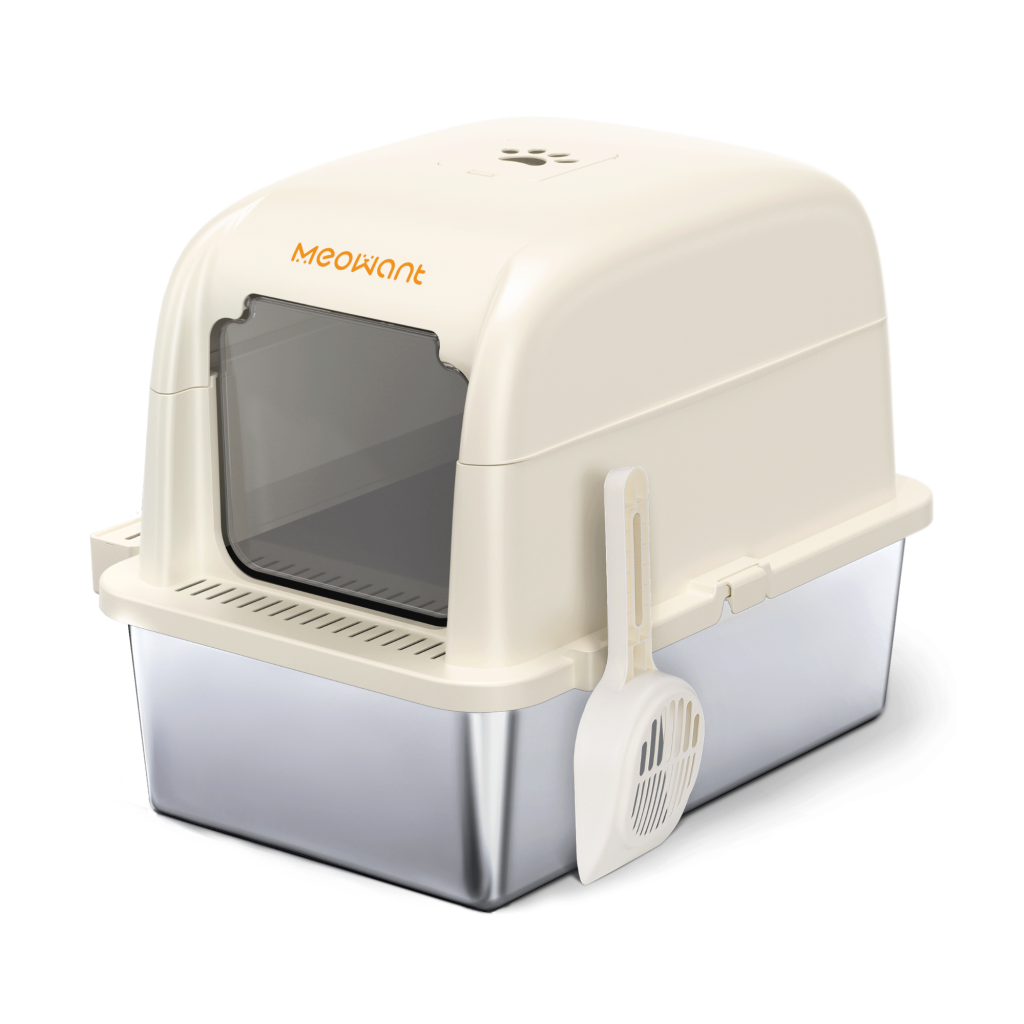
If your home still smells faintly of the litter box despite regular cleaning, the cause is probably not a lack of effort but a handful of common mistakes that quietly undo it. Owners buy an air freshener, scoop more aggressively, and switch brands, yet the smell returns within a day. The real issue is that odor has sources most people overlook: the floor, the mat, the lid, the old litter at the base of the pan.
This guide walks through the mistakes that make homes smell worse than they need to, then shows how to correct each one without buying a new box every month. It also covers the design choices that prevent odor at the source, so a fresh home becomes the default rather than something you chase with sprays and candles.
The Mistakes You Are Probably Making Right Now
Odor problems build from small, repeatable errors. Fixing them is usually cheaper and easier than buying new equipment, and the effects appear within days.
Scooping But Never Fully Changing
Top-up cleaning feels efficient but leaves fine dust and residual urine at the bottom of the pan, where it becomes the source of persistent odor. Once a week, empty the box entirely and start fresh. A box that looks clean can still carry the smell of weeks of accumulated particles.
Using Scented Litter and Spray Fresheners
Fragrance hides odor for an hour and then blends into it, creating a smell that is worse than either alone. Cats are also sensitive to strong scents and may avoid a box that reeks of artificial perfume. Stick to unscented litter and unscented cleaning products, and remove the source rather than covering it.
Skipping the Lid, Rim, and Surrounding Floor
Most odor lives outside the pan: inside the hood, along the rim, on the mat, and in the dust that collects around the base. Wipe these surfaces during your weekly clean, and sweep or mop the immediate area. A box that gets daily attention at the pan but never the lid will still smell.
Placing the Box in a Stuffy, Enclosed Spot
A closet, a dead-end hallway, or a bathroom with no ventilation traps odor. Move the box to a spot with some airflow and visual privacy. If a closet is the only option, leave the door open and add ventilation rather than sealing the smell in with the box.

Overfilling the Box With Litter
A pan filled too high looks generous but causes more mess and faster odor. Deep litter traps moisture at the bottom, where clumps press into the surface and start to smell before you notice. Keep the depth moderate, deep enough to dig but shallow enough that you can see and scoop the base. A well-sized box with the right depth beats a large box packed to the rim.
Ignoring the Filter and the Drawer
If you use a covered box with a carbon filter, a saturated filter stops absorbing odor and can begin releasing it back into the room. Replace filters on schedule rather than waiting for a smell, and do the same for any sealed waste compartment. A full drawer or a clogged filter can undo a week of careful cleaning in a single afternoon.
Rethinking Your Cleaning Products
The products you clean with can add to the problem instead of solving it. Harsh bleach and heavily perfumed cleaners leave residue that reacts with waste and creates a smell stronger than the original one. They can also irritate a cat’s sensitive nose and discourage use of a freshly cleaned box, which is the opposite of what you want. Mild, unscented soap and thorough rinsing are enough for routine cleaning.
When you do need a deeper clean, choose pet-safe products and let the box dry completely before refilling. Damp interiors encourage clumps to stick and mold to develop in warm weather. Drying in open air, ideally with some sunlight, kills odor-causing bacteria more effectively than any spray. If you rotate between two boxes, you can let one dry fully while the other is in use, which makes complete drying practical.
Finally, be careful with enzyme cleaners and where you apply them. They are excellent for accidents on rugs and floors, because they break down the source of the smell rather than masking it, but they should not replace regular cleaning of the box itself. Keep them in your maintenance kit for accident spots, and rely on soap, water, and consistent replacement for the box.
Myths That Keep Homes Smelling
Several widespread ideas about litter box odor actually make the problem worse. One is that a stronger litter deodorizer fixes smell; in practice, strong scents often trigger avoidance and layer a new smell on top of the old one. Another is that cleaning the box with bleach keeps it fresh longest; bleach residue reacts with urine and can create harsher fumes. Worse, the smell of bleach can make a freshly cleaned box unappealing to your cat.
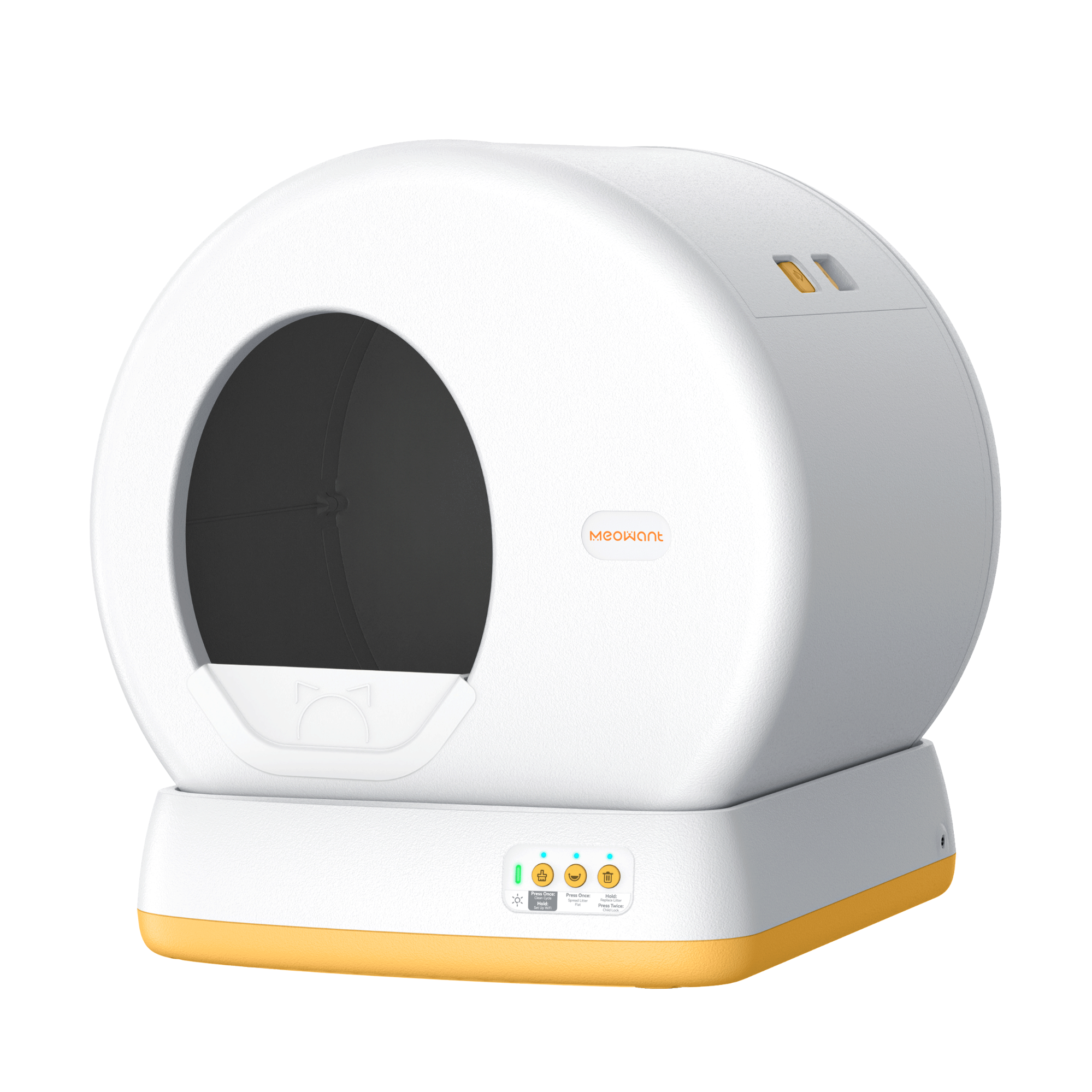
A third myth is that self-cleaning boxes eliminate maintenance entirely. They reduce the daily task, but they still need the drawer emptied, the interior washed, and the mechanism checked. Owners who treat automation as a substitute for cleaning often end up with a unit that smells worse than a simple pan, because waste sits in the drawer longer than expected. The reliable rule is that any box, simple or automated, needs a human routine behind it.
Comparing a well-maintained simple box to a neglected fancy one usually settles the question. Odor problems are almost never about which model you bought; they are about whether the routine matches the design. Once you accept that, it becomes easier to spend your money on material quality and a design that suits your cat, rather than on features that promise to do the cleaning for you.
Design Choices That Prevent Odor at the Source
The right cat litter box removes odor sources before they build up. Seal and ventilation are the two levers that matter most, and they work best together.
Sealed Waste Storage and Filters
Waste that sits in an open pan releases odor continuously. A box with a sealed waste compartment and a carbon filter captures much of that between scoopings. Filters need replacing on a schedule, since a saturated filter stops working and can itself hold odor. Pairing sealed storage with an unscented litter gives the cleanest result.
Ventilation and Airflow
Enclosed boxes concentrate odor inside; adequate airflow disperses it. Choose a design that allows some exchange with the room, or place the box in a space with regular ventilation. Avoid sealing a box into a cabinet, since trapped air amplifies the smell the moment the door opens.
Materials That Do Not Absorb Odor
Deeply scratched plastic becomes permanently porous and holds odor even after washing. Coated steel and thicker molded plastic resist scoring and wipe clean more thoroughly. If your current box is heavily scratched, replacing it may do more for odor than any cleaning product.
Managing Odor in Multi-Cat Homes
In a home with several cats, odor compounds faster because the waste volume is higher and territorial marking may spread it across more boxes. The answer is not a stronger air freshener but more capacity and more frequency. Add boxes in separate zones, scoop twice daily, and change litter more often than a single-cat home would. Spread the boxes out so no single room carries all the waste, and keep the litter depth consistent so each cat uses the pans the same way.
Smart Cleaning Without Skipped Days
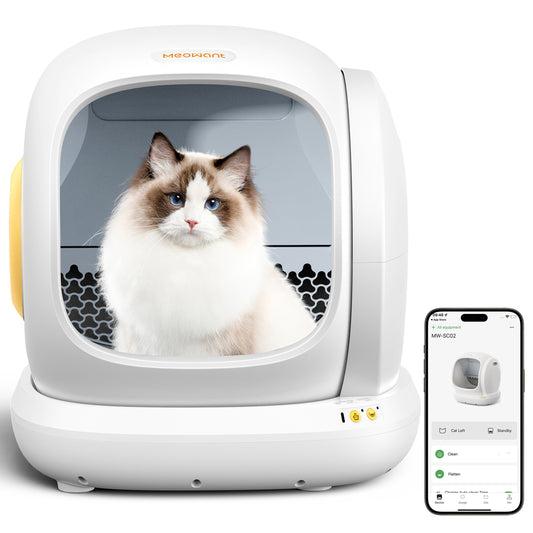
Busy homes often skip cleanings, which is how odor begins. A self-cleaning unit such as those from Meowant rakes waste into a closed drawer on a schedule, keeping the surface fresh between manual cleanings. The benefit depends on maintenance: empty the drawer regularly, wash the interior on schedule, and check the mechanism. Convenience prevents skipped days; good habits keep the unit clean.
Fresh Starts With Fixing the Source
Most persistent litter box odor comes from a small set of fixable mistakes: topping up instead of changing, covering instead of removing, and cleaning the pan while ignoring the lid and floor. Address those first, then choose a box that seals waste, allows airflow, and resists scoring. With daily scooping, weekly full changes, and consistent filter replacement, the smell stops coming back. The result is a home that smells like a home, and a cat that keeps using the box without hesitation.