
Gold IRAs and other types of self-directed retirement accounts allow investors to use some of their retirement funds to purchase certain types of gold and other precious metals. These metals may be a good addition to an investment portfolio for some investors, but it’s important to understand that adding gold or other precious metals to a retirement account does not immunize an investment portfolio from market fluctuations or guarantee that an investor won’t experience a loss.
Understanding the Account Structure
Investors interested in adding gold or other precious metals to their retirement portfolios should start by making sure they understand how gold IRAs work. Investors work with a company that offers gold IRAs, but that company is not necessarily the same entity that will act as the IRA custodian (the entity that will be in charge of the retirement account), the depository (where the gold will be stored), or the precious metals dealer (where the investor will purchase the gold).
Investors should ask about each of these roles up front and make sure they’re comfortable with the custodian, depository, and dealer before moving forward.
Investors should also ask up front whether their gold will be stored in a segregated or commingled account and get a breakdown of all fees involved, including which, if any, fees are one-time and which will be charged on an annual basis. Finally, investors should make sure they understand how transactions will be handled and priced and what their options will be when they’re ready to sell their gold or take distributions from their IRAs.
Fees, Spreads, and Written Disclosures

Investors shopping for a gold IRA provider should ask for fee information in writing and read through it carefully before making a decision. That comparison belongs in any top gold IRA company evaluation.
Some companies advertise low or no setup fees, but investors should be aware of all expenses associated with their gold IRAs, including any recurring storage, insurance, transaction, wire, or other fees as well as the difference, sometimes referred to as the “spread,” between the price at which a precious metals dealer will sell an investor gold and the price at which it will agree to buy it back. Investors should also keep in mind that some companies charge a flat annual fee while others’ fees are pegged to the value of an investor’s account, and neither approach is necessarily better, but investors should choose the one that makes the most sense for the amount of money they want to invest.
Investors should pay particular attention to any promotional pricing, minimum balance requirements, or other fees that kick in after the first year and make sure any verbal explanations they receive from company representatives are consistent with the company’s written disclosures.
Which Precious Metals Are Eligible?
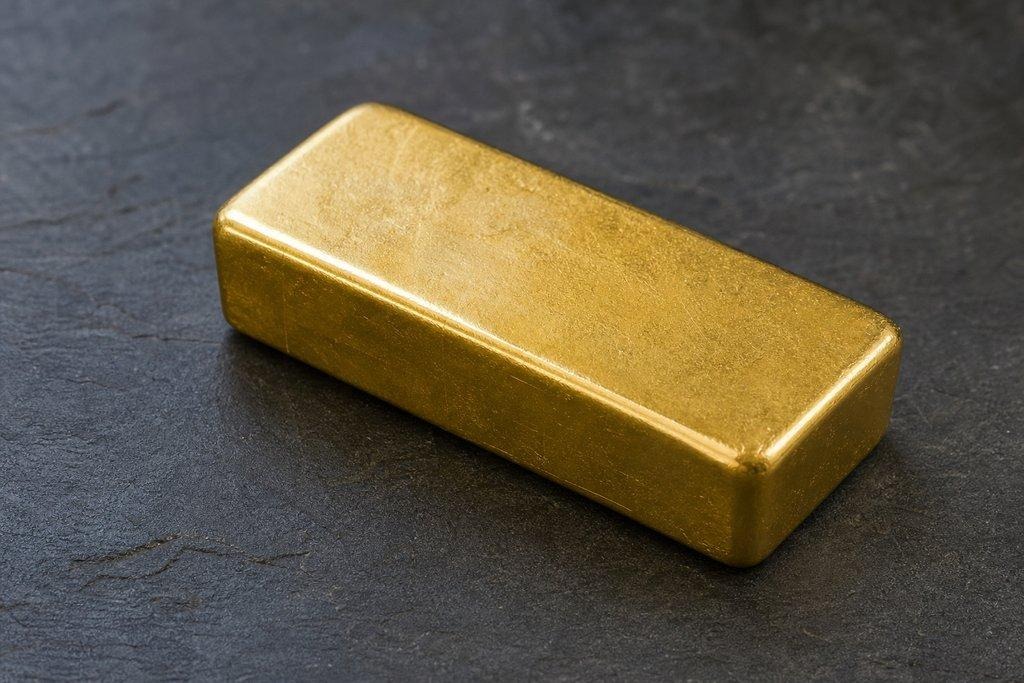
Investors interested in gold IRAs should also educate themselves about which types of gold and other precious metals are eligible for purchase with IRA funds (eligibility generally hinges on an item’s metal content, purity level, and whether it’s classified as a collectible) and be wary of companies that seem to do their best to steer investors toward pricier collectible coins and other products.
Investors should also be aware that, in most cases, they won’t be able to take delivery of the gold they purchase, and it will have to be stored through their IRA’s depository, and they should exercise particular caution around any company that indicates otherwise.
Finally, investors rolling over funds from another retirement account to fund a gold IRA should make sure they understand the differences between direct (custodian-to-custodian) and indirect account transfers, and in some cases investors who opt for indirect rollovers are responsible for depositing the rolled-over funds into their new IRAs within 60 days to avoid the transaction being considered a potentially taxable distribution.
Some additional questions investors considering gold IRAs might ask of potential service providers include:
- What is your buyback policy? (Investors should be on guard around companies that skirt questions about their buyback policies and how they determine the price at which they’ll agree to buy an investor’s gold back from them.)
- How quickly will you process my request if I want to liquidate some or all of the precious metals in my account?
- Can you guarantee I’ll make more money investing in gold than I would through other investments? (No responsible precious metals dealer will make such a promise, as gold’s historical performance shouldn’t be taken as an assurance of how it will do going forward, and investors shouldn’t put all of their retirement savings into one asset class.)
- What happens if I don’t make my gold IRA purchase right away? Will my money be at risk if gold prices spike or plummet while my paperwork is being processed? Whose decision will it be as to when my purchase order goes through?
Pressure Tactics Deserve Scrutiny
Questions like these are especially important for investors who are being pressured to make quick decisions or bombarded with dire predictions about coming currency debasements, bank failures, or other financial catastrophes.

Allocation and Distribution Decisions
Finally, investors considering gold IRAs should think carefully about how much of their retirement savings they want to allocate to gold and other precious metals, because there’s no one-size-fits-all answer to that question, but investors who are counting on their retirement savings to cover living expenses in the near future or already hold retirement portfolio positions that are heavily weighted toward commodities, commodity producers, and/or other inflationary hedges might want to proceed with particular caution.
Rather than deciding how much they want to send to a precious metals dealer and then asking themselves what role the resulting gold/other precious metals purchases should play in their retirement portfolios, investors might consider approaching the process from the opposite direction by determining up front whether they’re interested in using some retirement savings to purchase gold/other precious metals as a long-term store of value, as a small portfolio diversification tool, etc., and then sizing their transactions accordingly.
Investors should also keep in mind that gold IRA distributions can get complicated. Unlike stocks, bonds, and other assets, gold and other precious metals aren’t easily divisible, so investors should familiarize themselves with the circumstances under which they can take gold IRA distributions in-kind or will need to sell at least some of their retirement account holdings to meet applicable distribution requirements.