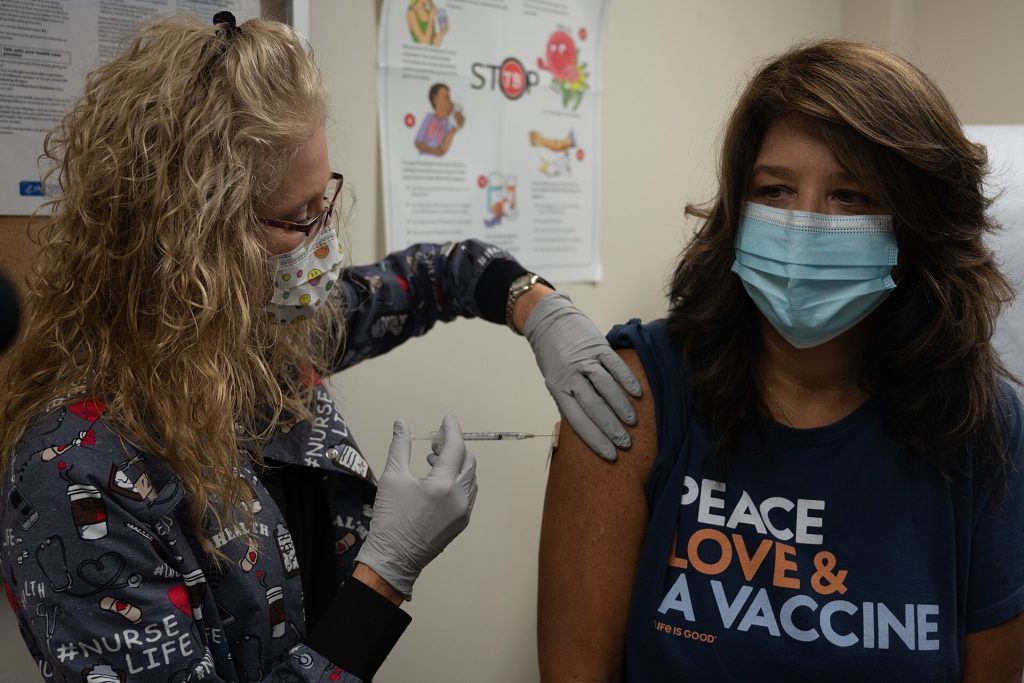
The number of measles cases in the US has climbed 8 percent in one week, bringing the national total to 4,410. Public health experts describe the rise as a warning sign rather than a cause for panic, pointing to pockets of low vaccination uptake and imported cases as the main drivers behind the weekly increase.
Why cases are climbing
Officials identify three main drivers. First, some communities have MMR uptake well below the national average, creating pockets where the virus can circulate. Second, travellers can bring measles back from countries where it remains common. Third, once local transmission starts, the sheer contagiousness of measles does the rest. Guidance published by the CDC on measles prevention and outbreaks notes that around nine in ten unvaccinated people exposed to the virus will become infected.
Travel remains an important part of the story. Measles is still common in many parts of the world, and an unvaccinated traveller can return home infected before symptoms appear. For that reason, agencies advise anyone planning an international trip to confirm their MMR status at least two weeks before departure where possible, and to watch for fever or rash in the fortnight after returning, contacting a clinician promptly if either develops.
From a household planning perspective, measles is a reminder that preventable illness carries real costs, including missed work, cancelled travel and unexpected medical bills for uninsured families. Staying up to date with routine vaccination is one of the simplest forms of financial as well as health protection.
Signs to watch for at home
Parents are being reminded of the typical sequence. A fever and cold-like symptoms come first, sometimes with tiny white spots inside the mouth, and the rash follows roughly three to five days after symptoms begin. A person with measles can pass it on from about four days before the rash appears until four days afterwards, which is why health officials ask suspected cases to stay home and contact medical services by phone first for advice.
What the MMR vaccine offers
Prevention, doctors emphasise, is far simpler than treatment, since there is no specific antiviral cure for measles and care focuses on relieving symptoms and managing complications. That is why a weekly rise of 8 percent draws attention out of proportion to its size: each new case represents a preventable illness and a fresh opportunity for the virus to reach someone vulnerable. The consistent advice from clinicians is to treat vaccination as routine maintenance for family health.
The geography of the current total matters as much as the headline figure. Cases are not spread evenly across the country; they cluster where vaccination coverage is lowest, which is why national averages can look reassuring while particular counties face sustained outbreaks. Local health teams respond accordingly, running evening and weekend clinics, translating materials for the communities they serve and working through schools, faith groups and family doctors to reach parents who may simply have missed appointments rather than rejected vaccination outright. Research on past outbreaks shows that many under-vaccinated children have parents who intended to vaccinate but were defeated by logistics, cost confusion or lost records. Removing those practical barriers, officials say, is often more productive than arguing about beliefs, and the current rise to 4,410 cases is being used as a prompt to make booking, reminders and record-checking as effortless as possible for busy families.
Keeping the risk in perspective
Despite the increase to 4,410 cases, specialists urge perspective. Measles is being tracked more completely than in the past, most communities retain high immunity, and targeted catch-up campaigns have contained similar clusters before. The trend is a signal to act on vaccination gaps, not a reason for alarm. Families who confirm their doses, learn the symptoms and follow local health advice are taking exactly the proportionate response officials are asking for.
Households reviewing their health arrangements this autumn could add one simple item to the list: confirm that every family member’s routine vaccinations, including MMR, are fully up to date.
Health officials will publish updated totals next week, and they hope the trend will bend as catch-up clinics take effect. In the meantime, the most useful contribution any family can make is simple: be fully vaccinated and know the signs.
For background on how vaccine science reaches patients, see our earlier coverage of vaccine research and early clinical trials, which explained how carefully staged studies build the evidence behind routine immunisation programmes.