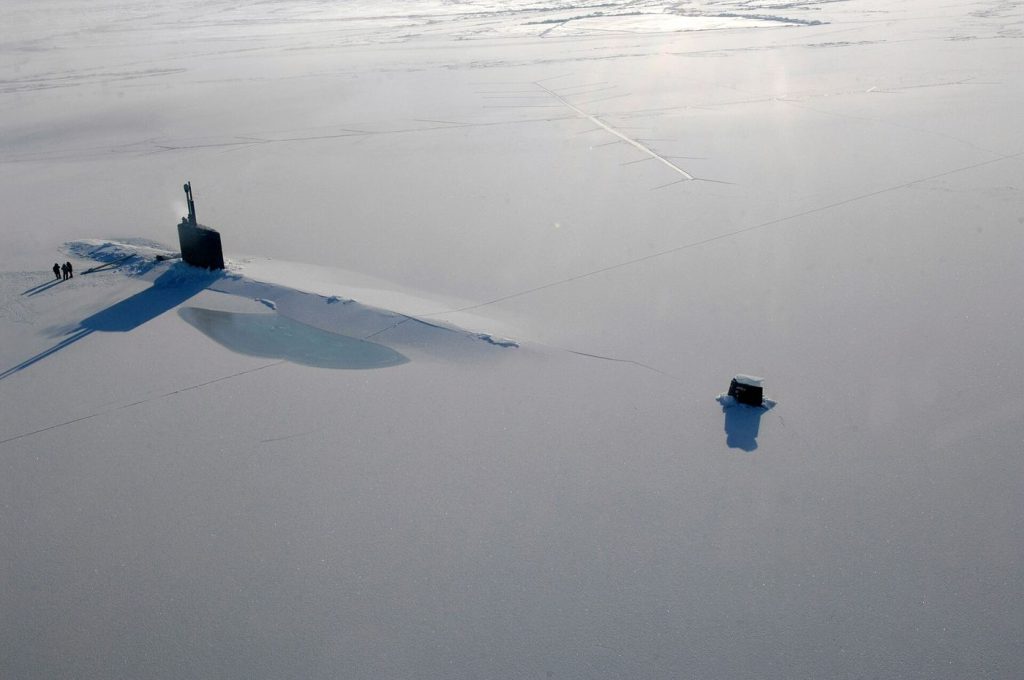
Arctic sea ice is forming later each autumn because the upper ocean now holds summer heat for longer before releasing it to the cold polar air. Researchers tracking freeze-up dates across the Beaufort, Chukchi and Laptev seas say the delay has grown steadily over recent decades, in some areas by more than a week. Open water absorbs far more sunlight than reflective ice, so every extra ice-free day warms the surface further and pushes freezing back again. Satellites measuring ice thickness also show that the ice which eventually forms is often thinner than the multi-year floes it replaces. Thinner ice melts faster the following spring, reinforcing the same cycle. For coastal communities, later freeze-up means a longer season of powerful waves eroding shorelines that frozen seas once protected. Hunters and transport operators who rely on stable land-fast ice face a shorter, less predictable working window. Scientists stress that the pattern is not a single unusual year but a consistent shift recorded by independent instruments. Understanding exactly how ocean heat, wind and snowfall interact during freeze-up has become a priority for improving seasonal forecasts across the far north.
What the Evidence Shows
The consequences of the delayed Arctic freeze extend well beyond the polar region itself. Wildlife that depends on early ice, including seals that pup on stable floes and the polar bears that hunt them, must adjust feeding and breeding routines to a compressed season. Shipping planners, meanwhile, see a longer navigable window, but one complicated by mobile young ice, fog and rapidly changing weather. Climate modellers say autumn heat release from open water can also influence storm tracks at lower latitudes, although the strength of that link remains debated. Field teams are now deploying autonomous buoys that measure temperature through the water column and report how quickly stored heat escapes once air temperatures plunge. Those profiles help explain why neighbouring bays can freeze weeks apart despite similar weather. Researchers caution that thicker snow on thin ice can insulate it from the cold, slowing growth further in some places while protecting it in others. Long-term monitoring, they argue, matters more than any single season, because the trend shapes ecosystems, coastlines and livelihoods for decades ahead. Reporting and analysis from sources such as NASA track the same developments, and specialists following the delayed Arctic freeze say the direction is now consistent across independent lines of evidence.
The Wider Context
Funding bodies are watching the delayed Arctic freeze closely because the work sits at the junction of basic curiosity and practical return. Grant panels increasingly ask for a path from discovery to application, while researchers push back that the most valuable uses of fundamental science are rarely the ones written into the original proposal. The tension is productive when both sides stay honest about timescales.
What Happens Next
The long view on the delayed Arctic freeze is that fields advance by accumulation rather than by single announcements. This result adds a solid, checkable piece to a structure many teams are building, and its authors have shared their data so the piece can be tested from every side. That is how the picture eventually becomes reliable enough to act on. You can follow related developments in our coverage of science.
It is also worth remembering how quickly the picture in this area has changed before. Positions that looked settled a few years ago have been revised as new data arrived, and the same humility is appropriate now. The strongest coverage of this subject, and the most useful advice, tends to come from sources that update their views openly when the facts move, rather than defending an earlier position long after it has stopped fitting the evidence available.