For many people living in Anyang, fatigue is not something that appears suddenly. It builds quietly, day after day, through routines that seem harmless at first but gradually take a toll on the body and mind.
A typical day may involve commuting, working at a desk, checking devices, and managing responsibilities without pause. Each action contributes a small amount of strain. By the end of the day, that strain becomes noticeable—but often not enough to trigger immediate action.
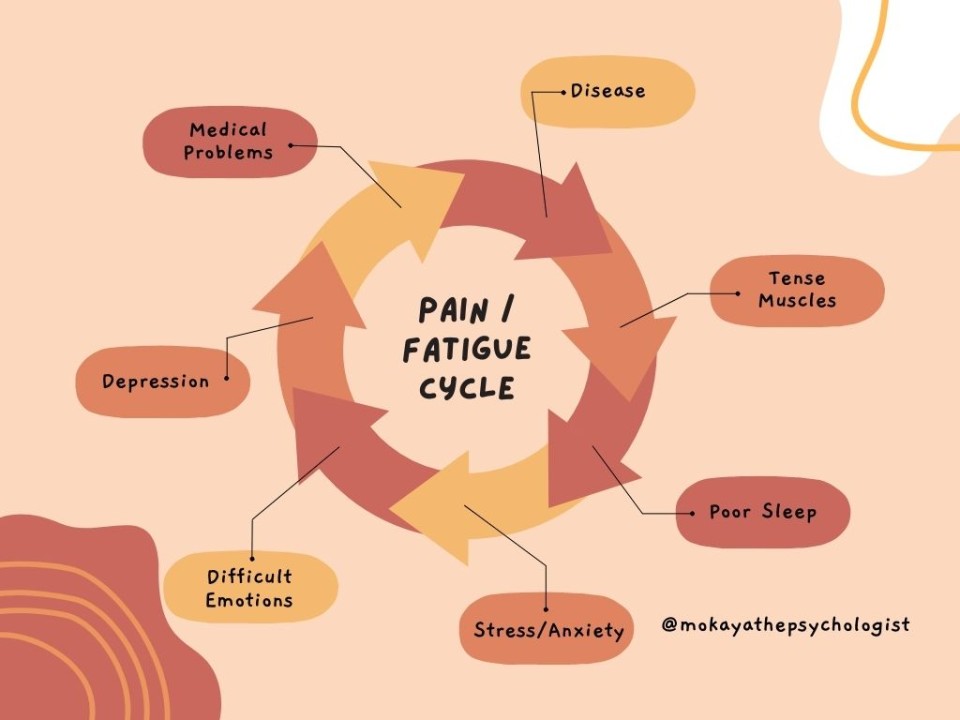
This is how fatigue becomes a cycle: it accumulates, is ignored, and then repeats.
The Pattern Most People Overlook
The problem is not just fatigue itself—it is the pattern of how people respond to it.
Most individuals follow a similar cycle:
- They feel discomfort at the end of the day
- They delay recovery due to inconvenience
- They rely on short-term rest instead of effective solutions
While this may provide temporary relief, it does not address the underlying issue. Over time, the body adapts to this state of tension, and discomfort becomes part of normal life.
Breaking this cycle requires a different approach—one that prioritizes action without increasing effort.
Why Traditional Solutions Often Fail
Traditional wellness options are effective, but they come with barriers. Traveling to a facility, adjusting schedules, and waiting for appointments all require additional energy.
After a long day, these barriers can feel overwhelming. Even when people know they need recovery, they choose convenience over effectiveness.
This gap between intention and action is where many routines fail.
A Shift Toward Practical Recovery
To break the cycle, recovery must become as easy as the fatigue itself.
Instead of requiring extra effort, it should fit naturally into the existing routine. This is why many individuals in Anyang are changing their approach and looking for solutions that reduce friction.
At this stage, services like 안양 출장마사지
start to become part of the conversation—not as a luxury, but as a practical response to a real problem.
The Turning Point: From Delay to Action
The key moment in breaking the fatigue cycle is the transition from delay to action.
When discomfort is addressed immediately, the body responds more effectively. Muscle tension is released before it becomes severe, and mental stress is reduced before it accumulates further.
This shift may seem small, but it creates a significant difference over time.
Instead of waiting for fatigue to become unmanageable, individuals begin to respond to it as part of their routine.
Physical Recovery That Matches Daily Demand
Modern lifestyles create specific types of strain. Sitting for long periods, repetitive movements, and limited physical variation all contribute to imbalance.
Massage therapy directly addresses these issues by:
- Improving blood circulation
- Releasing muscle tightness
- Restoring flexibility
- Supporting recovery
These benefits are most effective when applied consistently, rather than occasionally.
Mental Reset as a Daily Requirement
Fatigue is not only physical—it is also mental. Continuous focus, decision-making, and digital engagement create cognitive overload.
Without proper recovery, this leads to reduced concentration and increased stress.
Massage therapy provides a structured way to reset the mind. By creating a period of relaxation, it allows the brain to recover and regain clarity.
This mental reset is essential for maintaining productivity and balance.
The Role of Environment in Effective Recovery
Recovery is influenced by the environment in which it takes place. A familiar and comfortable setting allows the body to relax more naturally.
When individuals feel at ease, the effectiveness of recovery increases. There are fewer distractions, and the transition into rest becomes smoother.
This is why environment plays a critical role in achieving long-term results.
From Occasional Relief to Consistent Habit
One of the most important changes in modern wellness is the move from occasional relief to consistent habits.
Occasional efforts provide temporary benefits, but they do not create lasting change. Consistency, on the other hand, builds a foundation for long-term well-being.
By simplifying access to recovery, individuals are more likely to repeat the process. Over time, this leads to:
- Reduced physical tension
- Improved sleep quality
- Better stress management
- Increased overall energy
Adapting to Real-Life Conditions
Anyang offers a balanced environment, but daily life still includes unpredictable schedules and varying levels of demand.
Recovery solutions must adapt to these conditions rather than requiring strict routines.
Flexibility is essential. When a service fits into real-life situations, it becomes easier to maintain over time.
The Long-Term Impact of Small Changes
Breaking the fatigue cycle does not require drastic changes. Small, consistent actions can create significant improvements.
Addressing discomfort early, maintaining a routine, and prioritizing recovery all contribute to long-term balance.
These changes may seem minor at first, but their cumulative effect is substantial.
Conclusion
Fatigue is a natural part of modern life, but it does not have to define it. The key is not to eliminate fatigue completely, but to manage it effectively.
By shifting from delay to action, and from occasional effort to consistent habit, individuals can break the cycle and maintain their well-being.
In Anyang, where life moves steadily but demands remain, practical recovery solutions are becoming essential.
Ultimately, the goal is simple: to create a routine where recovery is not an afterthought, but a natural and sustainable part of daily life.