A magician’s hand hovers over a covered cage. The crowd leans in. Whatever emerges next – a dove, a rabbit, nothing at all – rarely matches the electricity of that half-second pause. Psychologists have measured this effect across dozens of contexts, and the pattern holds with strange consistency: the build-up beats the payoff, almost every time.
This isn’t just a quirk of stage magic. It shows up in gift-opening, in sports finishes, in the seconds before a scratch card is scratched. The anticipation phase floods the brain with dopamine tied to uncertainty itself, not to the outcome. Game designers have leaned on this for decades, and platforms like sankra casino build entire interfaces around drawing that suspended moment out a little longer, because players consistently report it as the most enjoyable part of the experience.

Why the Brain Prioritizes the Wait
Dopamine research from the 1990s onward reshaped how scientists think about reward. Wolfram Schultz’s work with primates found that dopamine neurons fire most intensely not when a reward arrives, but when its arrival becomes uncertain and imminent. A guaranteed reward barely registers. An uncertain one, especially right before resolution, sends signals spiking. This explains why a slot reel slowing down feels more charged than the symbols landing. It explains why opening a wrapped present is often more fun than using whatever’s inside. The brain is a prediction machine, and prediction error – the gap between what you expect and what happens – is where most of the neurochemical action lives.
The Role of Near-Misses
Near-misses complicate this further. A gambling outcome that almost hits the jackpot activates similar brain regions to an actual win, even though nothing was gained. Researchers studying slot machines found that near-miss trials kept players engaged longer than either clear wins or clear losses, because the brain treats “almost” as informative rather than final.
How Entertainment Design Exploits the Gap
Television talent shows figured this out long before neuroscientists explained why it worked. The pause before a judge delivers a verdict, the slow zoom on a contestant’s face – these are edited deliberately to stretch the anticipation window. Reality competition formats can spend a full minute building to a five-second announcement.
| Format | Anticipation Trigger | Typical Duration |
| Game show reveal | Envelope opening, drumroll | 5-15 seconds |
| Sports penalty shootout | Walk to the spot, referee whistle | 10-30 seconds |
| Slot machine spin | Reel deceleration | 2-5 seconds |
| Lottery draw | Ball selection sequence | 20-60 seconds |
| Unboxing video | Tape removal, box opening | 30-90 seconds |
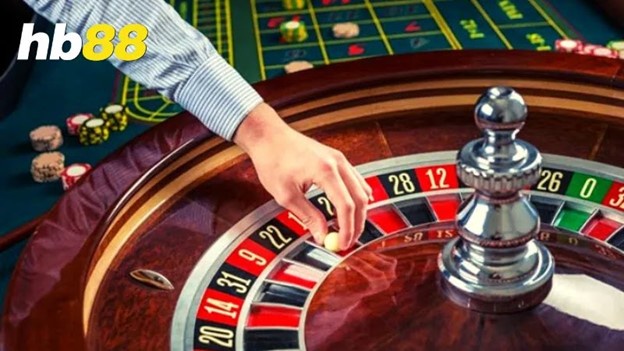
Casinos apply the same logic physically. Roulette wheels are engineered to spin long enough that players track the ball’s path, and dealers are trained to pace the reveal rather than rush it. Card games with a “reveal all at once” structure, like certain poker variants, generate more table chatter in the seconds before cards flip than in the seconds after.
Digital Products Borrow the Same Trick
Loading screens, progress bars that pause near completion, and notification badges that make you wait a beat before opening an app – all of these are anticipation devices lifted straight from gambling and game-show design. Product teams outside the gaming industry now study these mechanics specifically because they reliably hold attention.
What Happens When the Reveal Actually Lands
The comedown after a reveal is measurable. Studies on post-decision affect show a brief dip in reported enjoyment immediately after uncertainty resolves, regardless of whether the outcome was good or bad. People adapt to the result within seconds, but the anticipation was, briefly, more vivid than the truth that replaced it. This has a practical upside for anyone designing experiences rather than just consuming them. Stretching the build-up without making it frustrating is a genuine skill – too short and the moment fizzles, too long and irritation replaces excitement. The sweet spot tends to sit right where curiosity peaks but patience hasn’t yet cracked.
Beyond the Casino Floor
Plenty of people who’d never place a bet still manage anticipation for a living. A teacher pausing before handing back exam papers, a doctor easing into test results rather than blurting them out, a negotiator letting silence sit before naming a number – all of them are pacing a reveal, whether they’d describe it that way or not. A diagnosis delivered abruptly feels different from one preceded by measured context, even if the words are identical.
The takeaway isn’t that outcomes don’t matter – they clearly do. It’s that the human nervous system is wired to savor uncertainty in a way it rarely savors certainty, which is why so much of what we call excitement lives in the pause, not the punchline. Once you notice the pattern, it’s hard to unsee. The best-remembered moments from a night out, a match, or a game session are rarely the results themselves but the seconds spent not knowing them yet, suspended between question and answer.