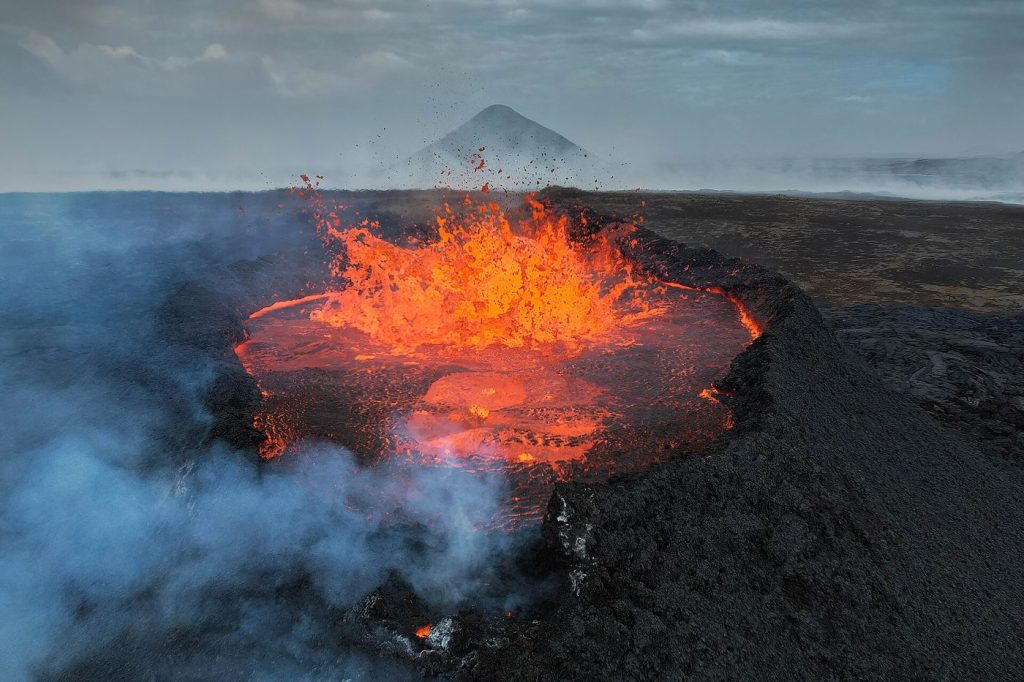
Satellites that measure ground swelling and gas emissions are giving communities near volcanoes earlier and more reliable warnings. The story matters because it reaches well beyond specialists, touching households, businesses and public services in ways that are only now becoming clear. Specialists in satellite volcano monitoring say the latest developments deserve attention precisely because they are measurable: the claims can be checked, the numbers are published, and the people responsible can be asked what happens next.
What the evidence shows
The findings rest on datasets that are unusually large for the field. Researchers combined observations gathered over several years, cross-checked them against independent measurements and published their methods openly so other teams can test the result. Peer reviewers describe the work as careful rather than flashy, which in this discipline is high praise. Where the new results conflict with earlier studies, the authors argue the difference comes down to resolution: phenomena that were previously blurred into averages can now be seen individually, and several long-standing puzzles look different at that sharper scale. Reporting by USGS has tracked the same trend from a different angle, and its conclusions align closely with what local observers describe.
The pattern is visible in large cities and smaller towns alike, though the pace differs sharply from place to place. On this site, continuing coverage in our Science section has followed satellite volcano monitoring as it moved from specialist debate to a topic readers ask about directly, in comments, at events and in the questions they send the newsroom.
What it means in practice
The implications extend beyond the laboratory. Funding agencies are already citing the work in calls for follow-on studies, and instrument teams are proposing upgrades that would sharpen the picture further. There is also a public dimension: several of the groups involved have invested in explanations, data visualisations and school materials, recognising that public support for basic research depends on people being able to see what was found and why it was worth finding. Textbook revisions, traditionally slow, may arrive faster than usual this time. Volcanologists involved in the work emphasise that timelines are realistic rather than heroic, and that the next phase depends as much on public response as on technical or financial capacity.
Sceptics make points that deserve an answer rather than dismissal. Some note that early data can flatter new approaches, that funding shapes which questions get studied, and that media coverage — including coverage of this story — tends to amplify the novel over the representative. Those cautions are well founded, and the most credible voices in the field are usually the first to voice them. The balance of evidence, though, has moved: what was a plausible hypothesis a few years ago is now supported by multiple independent lines of work, and the burden of proof is shifting accordingly. Rural communities face a different version of the same challenge, shaped by distance, infrastructure and thinner local services.
The safest conclusion is that this is a story in motion rather than a finished chapter. Expect more announcements, more scrutiny and, before long, a clearer picture of who gains and who has to adapt.